
Have you ever noticed how not all Japanese people call the same person by the same name?
One person might say Suzuki-sama, while another calls him Suzu-kun.
In Japan, names and honorifics aren’t just labels — they quietly show the relationship, respect, and closeness between people.
In this short article, we’ll look at:
How Japanese names work when people address each other.
Whether Japanese nicknames (adana) are common — and what they mean.
And how non-Japanese speakers can easily come up with their own Japanese-style nickname with honorifics.
How Japanese People Call Each Other — and What Names Reveal About Relationships
Why Do Japanese People Call Each Other by Their Last Names?
Have you noticed how anime characters often call each other by their last names?
Even friends who seem close — classmates, teammates, even couples — might still say “Kurosawa-san” or “Sato-kun.”
Why do they do that?
Why Japanese people avoid using first names
It’s not just a stylistic choice.
In Japan, using someone’s family name is the default way to show respect and maintain comfortable distance.
Have you ever seen a scene where a character calls another by their first name, and everyone gasps?
“She called me by my first name…!”
Unlike in the U.S. and many other countries, calling someone by their first name in Japan is a very intimate gesture.
But there comes a point when using a last name feels too stiff, while using a first name feels too personal.
That’s when adana comes in.
WHAT DOES ADANA MEAN IN JAPANESE (JAPANESE NICKNAME)
Adana (あだ名) means “nickname” in Japanese — but it’s more than just a shortened version of your name.
In Japan, nicknames often reflect closeness, affection, and shared circle rather than just convenience.
People usually give each other adana after they become friends, or know each other at work for a while.
Here are some adana examples from anime:
Midoriya Izuku → Deku (My Hero Academia) — an insult that turned into affection.
Takeda Ittetsu → Take-chan (Haikyu!!) — used by Tanaka Ryunosuke to show warmth; the “chan” adds cuteness and approachability.
Ogino Kaito → Ka-chan (Tsurune) — same pattern as Bakugo Katsuki-kun in MHA; a childhood nickname that shows familiarity and friendship.
The difference between adana and honorifics (-san, -chan, -kun, -sama)
Although many adana ends with honorifics like “chan,” simply adding one of Japanese honorifics does not make one’s name “adana.”
Not always, but typically, we take the first sound from the last name or the first name, and add one of the honorifics to it to make an adana.
In the example of Ka-chan, (Bakugo Katsuki), Izuku-kun had taken the first sound from Katsuki-kun’s name, and added “chan” at the end.
Try coming up with an adana for yourself or your friend following this pattern.
Lisa → Li-chan
Mike → Ma-chan
When Japanese people start using nicknames (adana) — what it means socially
I mentioned earlier that one reason people in Japan use adana is to manage emotional distance — to be close, but not too close. It creates a gentle middle ground between politeness and intimacy.
But there’s another case where people use an adana.
Sometimes, an adana becomes a kind of social code — a name used only within a certain circle of friends, classmates, or coworkers. It works almost like a password, something that quietly says, “You’re one of us.”
By sharing that nickname, people are recognizing each other as part of their own group while keeping the rest of the world out. It builds a sense of belonging, while still protecting personal space.
In this way, adana doesn’t just express closeness — it defines the boundaries of a relationship. It’s not always about “me and you,” but about who we are together.
What names and adana reveal about Japanese culture
Nicknames in Japan are never just playful. They quietly reflect how Japanese people see relationships.
In English, a nickname might show casual friendship or affection.
But in Japan, an adana can carry layers of meaning:
it shows closeness, yes, but also awareness of boundaries.
It’s affection with awareness — love that stays respectful.
This comes from a deep cultural value known as wa (和), or harmony.
In Japanese society, maintaining smooth relationships is often more important than standing out.
An adana allows people to express warmth while still keeping that harmony — it’s a soft way to say “we’re connected” without breaking social balance.
FAQ — How Japanese Names, Nicknames, and Honorifics Work
1️⃣ Can foreigners have an adana too?
Yes, absolutely! Japanese people often enjoy giving adana to foreigners they’re close with — especially if you study or work in Japan. It shows warmth and inclusion.
Just remember that adana often grows naturally over time, so let it happen organically.
2️⃣ Can I make my own adana?
You can, but it’s more natural when others give it to you.
In Japanese culture, nicknames reflect how people see you — your personality, energy, or quirks.
So when someone gives you an adana, it feels like a small gesture of connection.
3️⃣ What’s the difference between adana and just adding “-chan” or “-kun”?
Adding -chan or -kun is a form of address, not necessarily a nickname.
An adana changes or shortens the name itself — like Katsuki → Ka-chan — while -chan or -kun alone keeps the original name intact.
4️⃣ Is it rude to use someone’s first name in Japan?
It’s not always rude, but it can be too personal if you’re not close, especially if you do not use it with honorifics.
Using someone’s first name without permission can feel overly familiar, and even asking for permission too soon could feel too intimate to some Japanese people.
That’s why most people stick to last names or adana until a relationship deepens.
That said, many modern Japanese people — especially those who’ve spent time with Western friends or colleagues — understand that using first names is normal in other cultures.
If they sense that you’re simply being friendly and respectful, they’ll usually realize you don’t mean anything romantic or “too close” by it.
5️⃣ How do I know if I can use someone’s adana?
Good question! If someone introduces themselves using their adana, or you hear their close friends using it, it’s usually okay.
But if you’re not sure, start with their last name + honorific (-san) until they invite you to be more casual.
6️⃣ What are some cute or popular adana examples?
From anime and real life alike:
- Midoriya → Deku (My Hero Academia)
- Katsuki → Ka-chan (MHA / Tsurune)
- Satoshi → Sato-chan
- Haruka → Haru
- Rina → Rin-chan
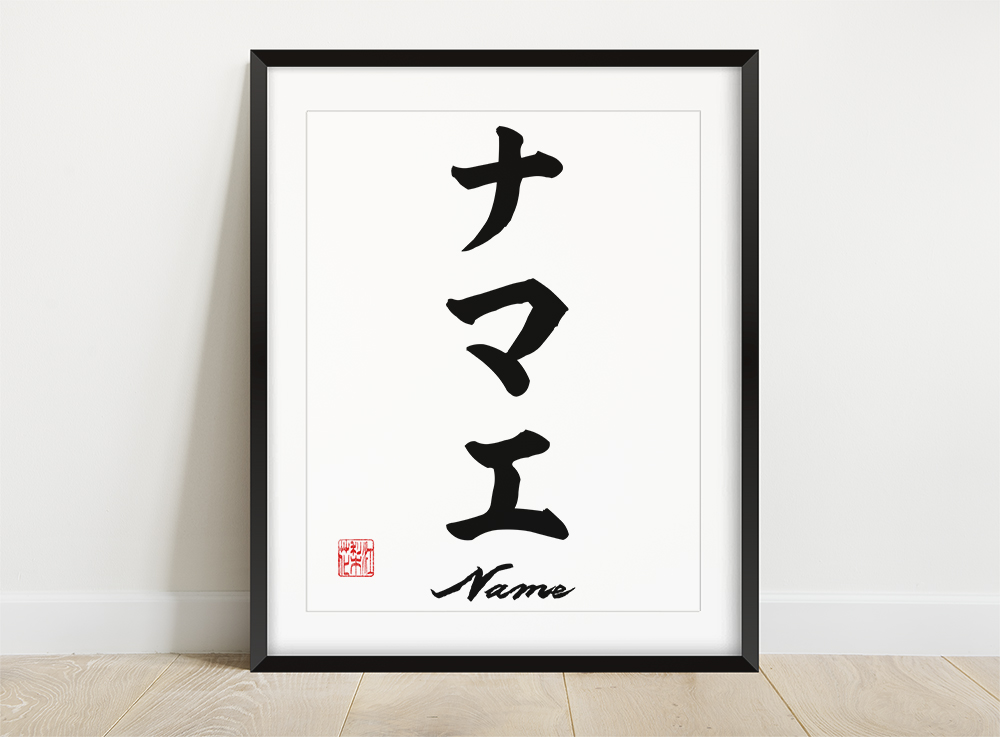
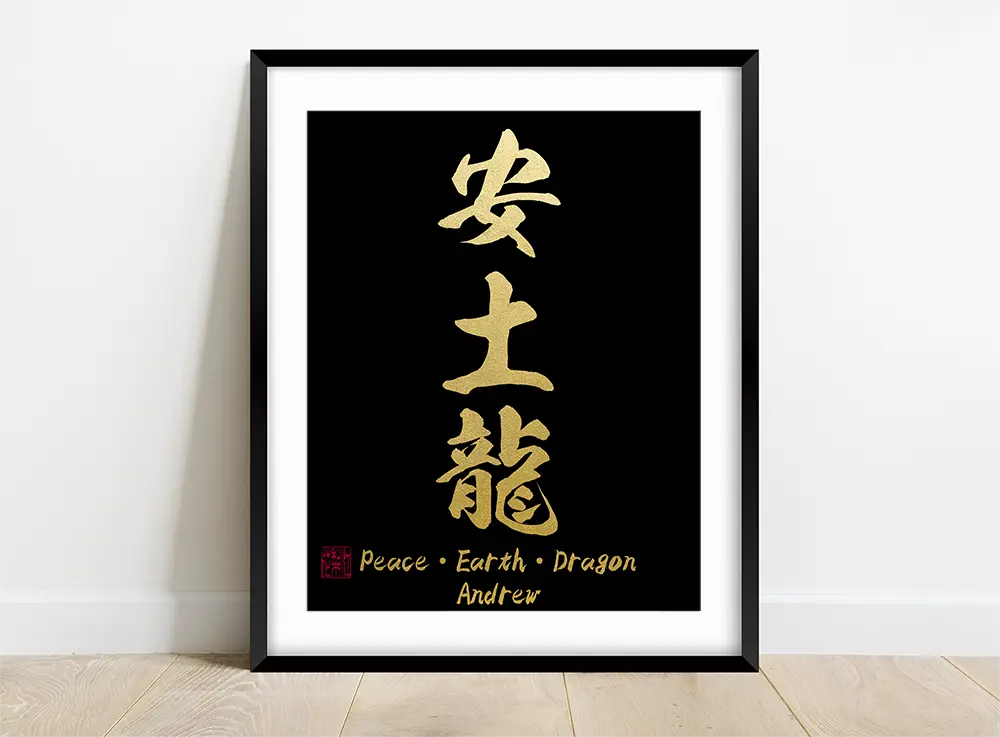
How to write my name in Japanese — How does it look like, art and meaning
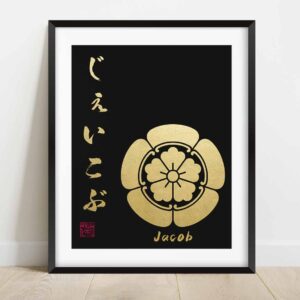
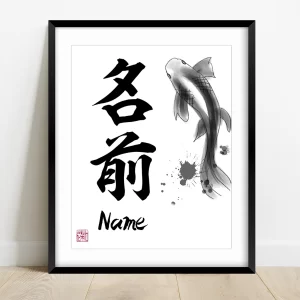
Here are some of the custom name calligraphies I made for American fans
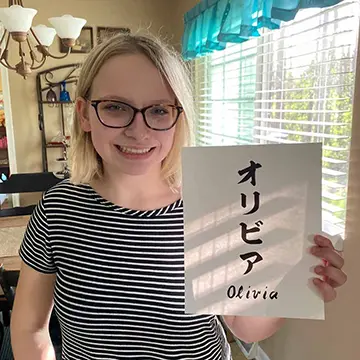
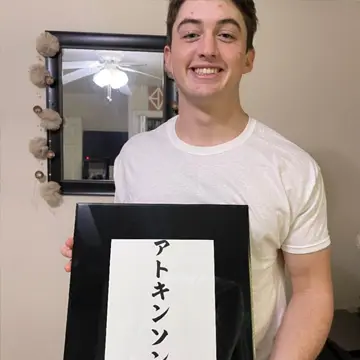
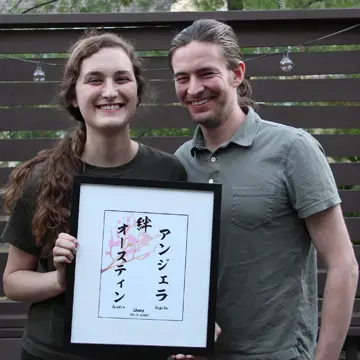

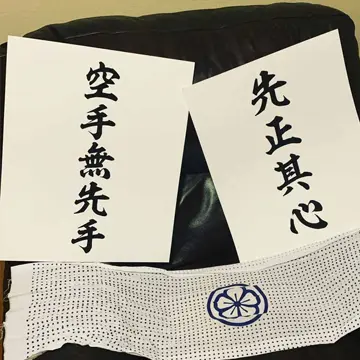
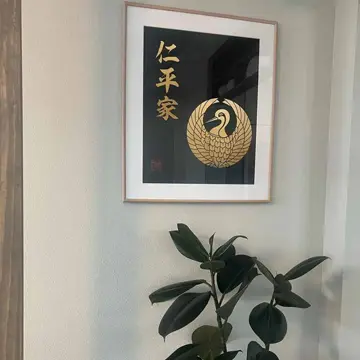

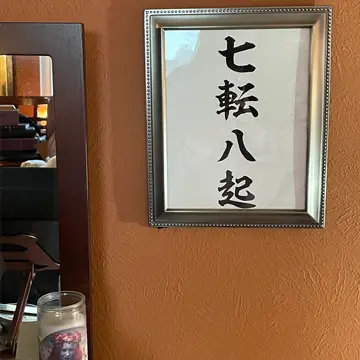
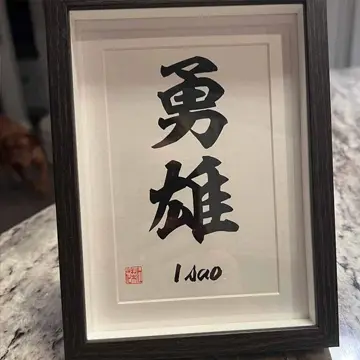
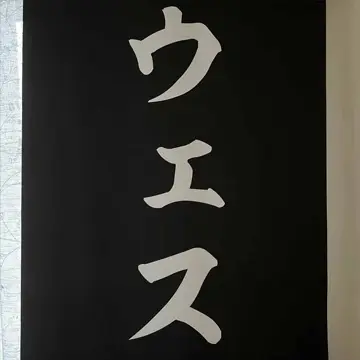
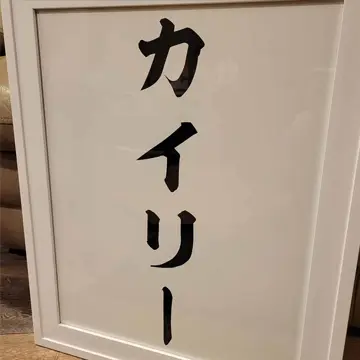
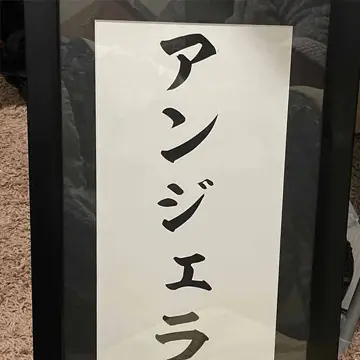
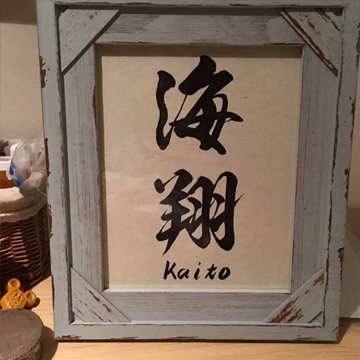
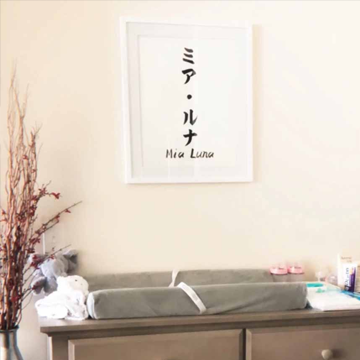
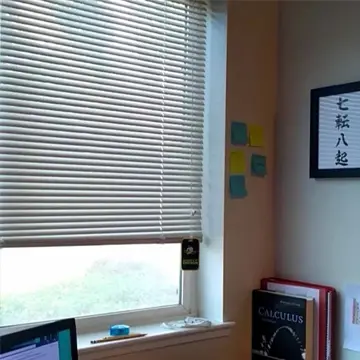
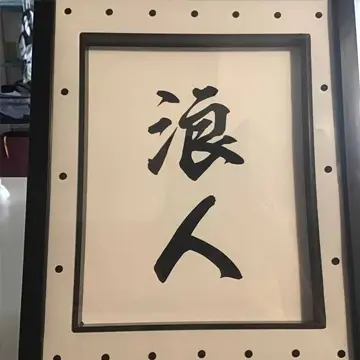
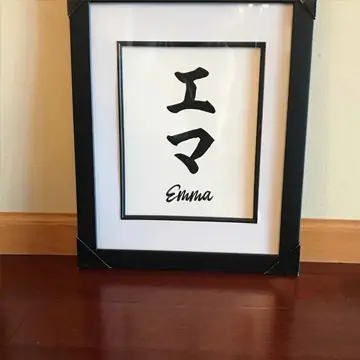
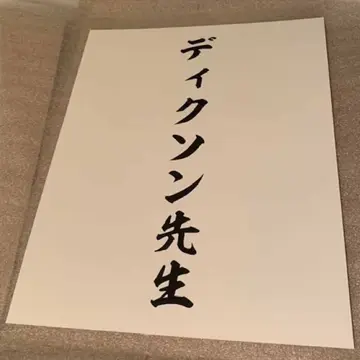
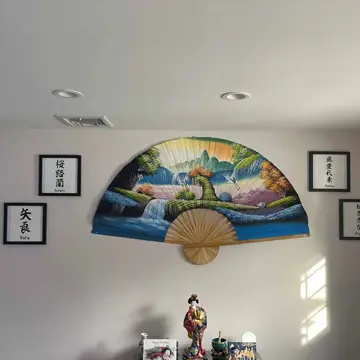
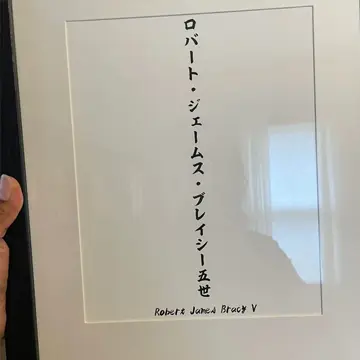
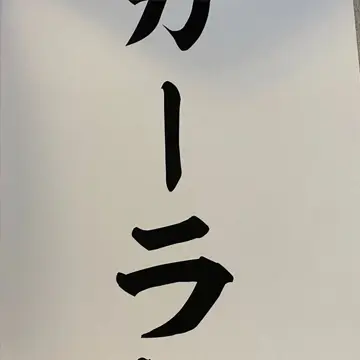
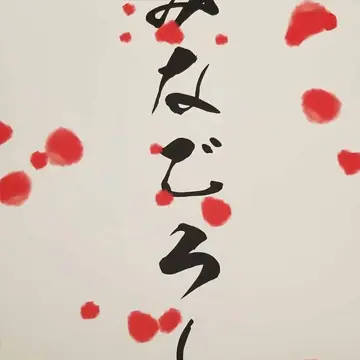
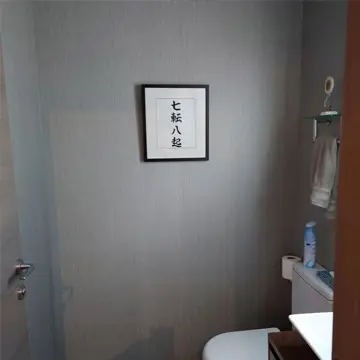
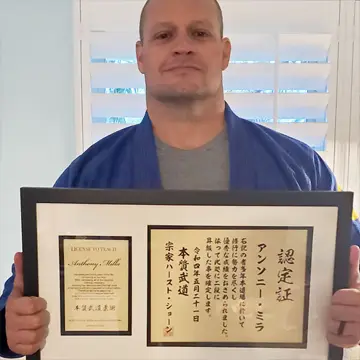
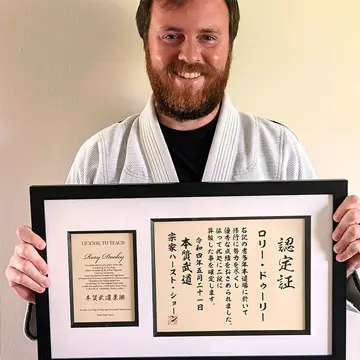
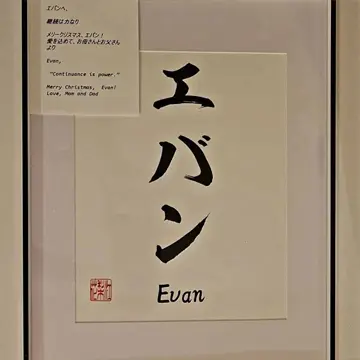
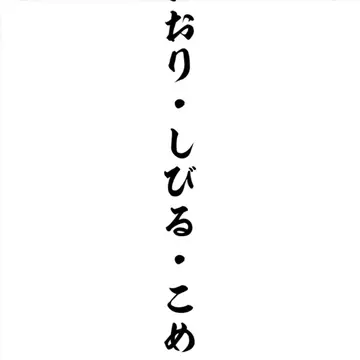
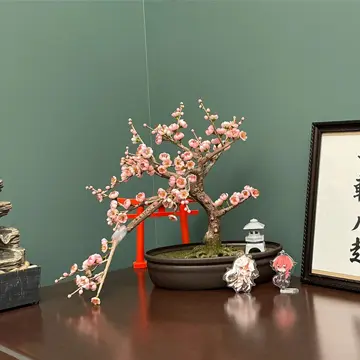
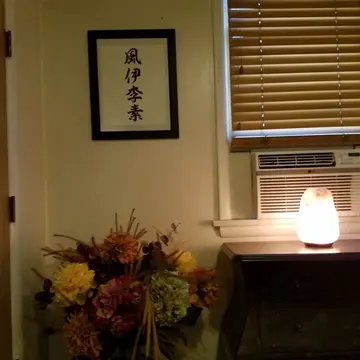
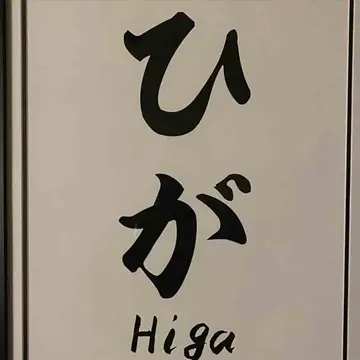
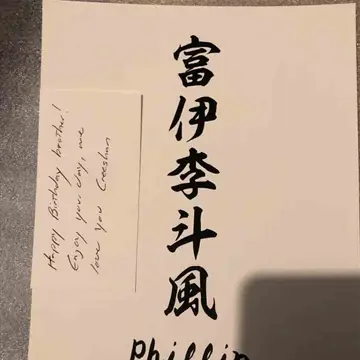
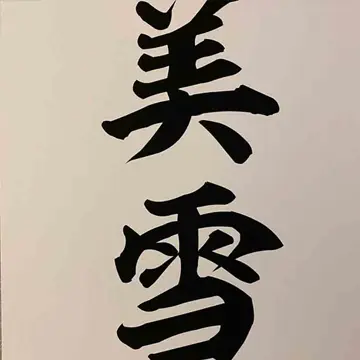
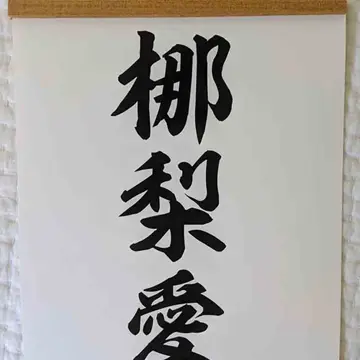
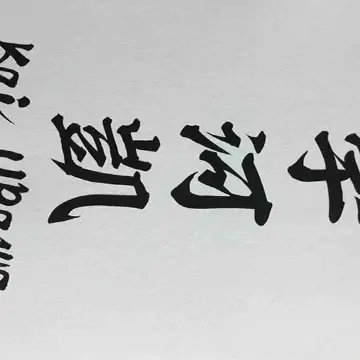
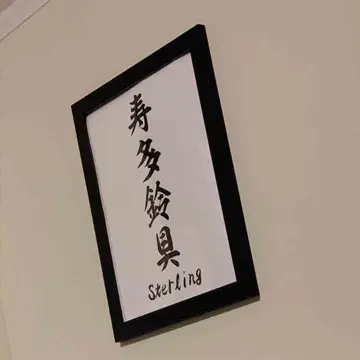
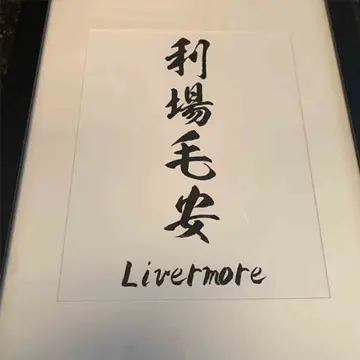
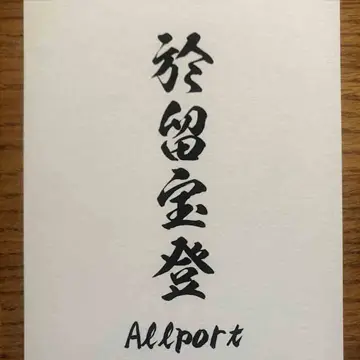
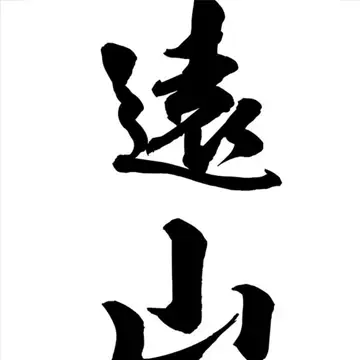
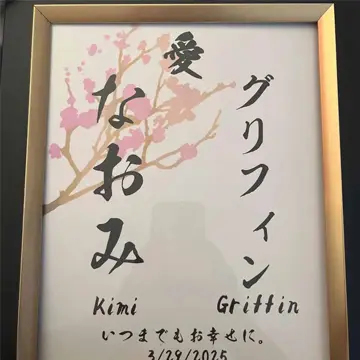
Curious what your name looks like in Japanese? Or maybe you already know, but you want to come up with a unique adana for yourself or your friend.
I’m a native Japanese translator who has been specializing in translating Japanese films for 10+ years. I’m happy to make a custom name art using your name, or even come up with nickname options for you.
Want to learn more about fun Japanese facts?
Sign up for free cultural stories
[📩 Subscribe Here →]
Loved this article?
[Read: 5Japanese proverbs about Love →]